Pest Control Services in Southern Arizona
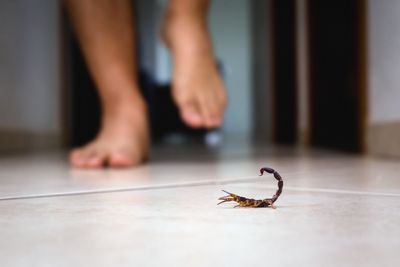
A list of my not so favorite neighbors..
Living in the Sonoran Desert means sharing space with unique wildlife. Understanding these pests is the first step to keeping them out.
1. Arizona Bark Scorpion
The most common scorpion in the Tucson area. Unlike other species, these are excellent climbers and can be found on walls, ceilings, and inside dark closets.
- The Risk: Their sting is venomous and particularly dangerous for children, the elderly, and pets.
- Our Solution: We create a "scalloped" exterior barrier and treat common entry points like weep holes and door frames.
2. The Pack Rat (White-throated Woodrat)
Rodent Control
These aren't your average city rats. Pack rats are notorious for building large "middens" (nests) and chewing through expensive car wiring.
- The Risk: They carry parasites and can cause thousands of dollars in property and vehicle damage.
- Our Solution: Strategic placement of chew-proof exterior bait stations and habitat modification.
3. Desert Subterranean Termites
In Tucson, it’s often a matter of when, not if. These termites live deep in the soil and build "mud tubes" to reach the wood in your home.
- The Risk: They work silently, often causing structural damage behind drywall before they are ever noticed.
- Our Solution: Comprehensive soil treatments and foundation barriers that stop them at the source.
4. "The Summer Stingers" (Africanized Bees & Wasps)
As temperatures rise, so does activity. Tucson is known for Africanized "killer" bees, which are more aggressive and protective of their hives than standard honeybees.
- The Risk: Hives can form quickly in eaves, valve boxes, or under sheds, posing a major safety threat.
- Our Solution: Rapid nest removal and preventative monitoring during the peak heat months.